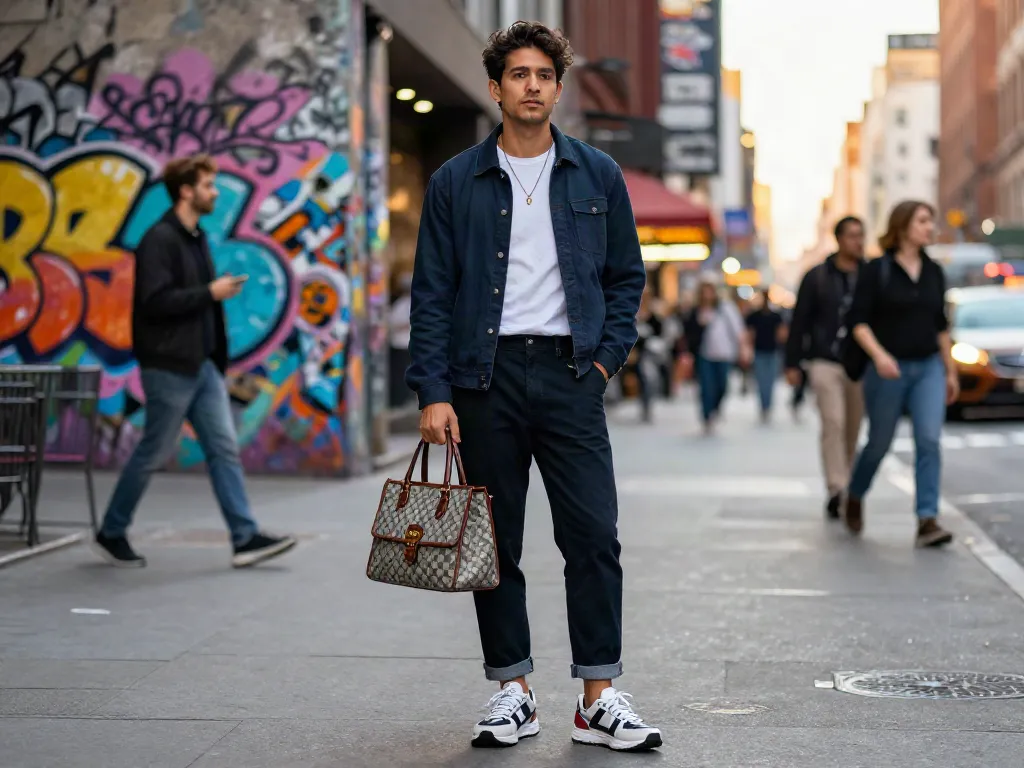
The Importance of Material Selection in Fashion
In the fast-paced world of fashion, the choice of materials can make or break a brand's reputation and product performance. With consumers becoming increasingly conscious of quality, brands like rokok 88 emphasize the need for high-quality fabrics to create garments that are not only stylish but also functional. This focus on material selection not only enhances the aesthetic appeal of fashion items but also significantly impacts their durability and comfort, which are essential for day-to-day wear.
Understanding Fabric Types: Cotton, Linen, Canvas, and Taffeta
Fashion designers and brands leverage a myriad of fabric types to cater to diverse consumer needs. Each type of fabric offers unique characteristics that can affect the overall design and functionality of a garment:
- Cotton: Known for its softness, breathability, and comfort, cotton is a staple in many wardrobes. Its versatility allows it to be used in everything from casual wear to formal attire.
- Linen: This fabric is prized for its lightweight nature and excellent breathability. Linen garments tend to have a casual, relaxed appearance, making them ideal for warm climates.
- Canvas: Renowned for its strength and durability, canvas is often used for outerwear and accessories. It withstands wear and tear, making it a popular choice for functional fashion items.
- Taffeta: With a distinct crispness, taffeta is often associated with high-end fashion. It lends an elegant structure to garments, making it popular for formal dresses and special occasion wear.
How Material Impacts Comfort and Durability
The interplay between comfort and durability in fashion is paramount. Fabrics like cotton, as previously mentioned, provide a soft touch against the skin, which is particularly important for everyday wear. In contrast, materials such as canvas offer unmatched durability, making them ideal for active wear or items that require frequent use.
Moreover, the choice of fabric also influences how garments hold their shape. For example, stiffer materials like taffeta can create volume, essential for dresses or skirts designed for occasions, while softer fabrics may drape more fluidly, providing a casual look. Understanding these nuances allows brands to cater effectively to their target demographics.
Consumer Preferences in Fashion Fabrics
Today's consumers are well-informed and have specific preferences when it comes to fabric choice. Factors such as comfort, sustainability, and aesthetic appeal drive purchasing decisions. Brands that incorporate consumer feedback into their material selection process have a competitive edge, as seen with ROKOK88's focus on high-quality, functional fabrics.
Surveys have indicated that many shoppers prefer natural fibers over synthetic ones, citing comfort and breathability as major reasons for their choices. As a result, brands that prioritize such materials are not just responding to trends; they are building a loyal customer base.
Innovations in Fabric Technology for 2026
As the fashion landscape continues to evolve, brands are increasingly adopting innovative technologies to enhance fabric performance. These advancements focus on sustainability, durability, and the overall consumer experience.
Sustainable Materials: The Future of Fashion
With growing awareness of environmental issues, sustainable fashion is no longer a niche market; it is becoming imperative. Innovations such as organic cotton, recycled polyester, and biodegradable fabrics are at the forefront of this movement. Brands incorporating these materials not only reduce their environmental footprint but also attract a conscientious consumer base.
Technological Advances in Fabric Production
Technological advancements are transforming traditional fabric manufacturing processes. For instance, digital printing technology allows for more intricate designs on fabrics while reducing waste. Furthermore, smart fabrics—integrated with nanotechnology—can regulate temperature, repel water, or even monitor health metrics. These innovations offer both functionality and style, appealing to tech-savvy consumers.
Case Studies of Innovative Brands
Brands like ROKOK88 exemplify how integrating innovative fabric technology can set a company apart. By prioritizing quality and sustainability in their fabric selection, they not only appeal to eco-conscious consumers but also improve their market positioning. For example, using a blend of sustainable materials can enhance product durability and offer unique textures that attract buyers.
The Role of Branding in Fashion Success
An effective branding strategy is crucial for fashion brands to stand out in a saturated market. The relationship between material quality and brand identity cannot be overstated, as consumers often associate certain fabrics with specific values and aesthetics.
Building a Strong Fashion Brand Identity
A well-articulated brand identity resonates with consumers, influencing their perceptions and buying behaviors. By clearly communicating a commitment to quality materials, brands can build trust and loyalty among customers. This clarity often translates into repeat purchases and positive word-of-mouth recommendations.
Collaborations That Enhance Brand Visibility
Collaborative efforts can elevate brand presence in the market. For instance, partnerships between fabric manufacturers and fashion brands can lead to exclusive fabric collections that reflect both innovation and style. Such collaborations enhance visibility while reinforcing brand values related to quality and aesthetics.
Strategies for Effective Brand Messaging
Effective messaging involves more than just promotional tactics; it requires a deep understanding of consumer values and preferences. Brands must communicate the stories behind their material choices, giving consumers insight into the quality and sustainability of their products. This narrative builds emotional connections, encouraging consumers to choose one brand over another.
Consumer Insights: What Shoppers Want in Fashion
Understanding consumer preferences is fundamental for fashion brands aiming to succeed. This involves keeping a pulse on current trends and behaviors that influence purchasing decisions.
Current Trends Influencing Fashion Purchases
Fashion trends are dynamic, shaped by cultural shifts, social media, and broader environmental concerns. The rise of sustainable fashion is a significant trend influencing purchases today. Consumers are increasingly willing to pay a premium for products that align with their values, particularly those regarding environmental responsibility and ethical manufacturing practices.
Feedback from Customers on Material Preferences
Feedback on material preferences is invaluable for brands. By actively seeking and incorporating consumer opinions on fabric comfort, durability, and aesthetics, brands can optimize their offerings. Continuous engagement through surveys and social media interactions helps brands stay relevant and responsive to changing preferences.
How Consumer Behavior Shapes Fashion Choices
The correlation between consumer behavior and fashion choices is essential for driving product development. Behavioral insights can reveal preferences for certain fabrics over others, as seen in the positive consumer reviews for ROKOK88's fabric choices, highlighting the importance of feedback in refining product lines.
Looking Ahead: Fashion Trends for 2026
As we look towards the future, it’s clear that fashion will continue to evolve alongside technological advancements and shifting consumer expectations. This evolution will be shaped by various factors, including sustainability, innovation, and changing demographics.
Emerging Styles and Material Preferences
Emerging styles in fashion often reflect broader societal changes, with an increasing trend towards relaxation and comfort in everyday wear. Fabrics that offer flexibility, ease of care, and durability are expected to rise in popularity. Additionally, styles incorporating bold patterns and textures will appeal to a younger demographic seeking individuality in their wardrobe choices.
Forecasting Market Demands in the Fashion Industry
Understanding market demands is pivotal for brands aiming to innovate successfully. With the rise of e-commerce, brands must also consider digital experiences when marketing their products. Investments in virtual fitting rooms and augmented reality applications will likely become standard, allowing consumers to experience fabric quality and fit virtually before purchase.
Preparing for Future Challenges in Fashion
The fashion industry will face ongoing challenges, including sustainability, shifting consumer behaviors, and global economic fluctuations. Brands that prioritize agility and adaptability in their product offerings will be better positioned to navigate these uncertainties. Implementing robust supply chain practices and ongoing research into consumer trends will be essential for sustained success.
What are the benefits of using high-quality fabrics?
High-quality fabrics enhance the overall consumer experience, providing comfort, durability, and aesthetic appeal. Higher quality often results in longevity, which is a key selling point for consumers looking for value in their purchases.
How can fashion brands effectively market their products?
Fashion brands can effectively market their products by leveraging storytelling, highlighting the unique qualities of their materials, and engaging with consumers through social media and influencer partnerships. Authenticity and transparency in marketing practices resonate well with today’s consumers.
What future trends should the fashion industry anticipate?
Trends towards sustainability, technological integration in fabrics, and a focus on comfort are likely to shape the future of fashion. Brands will need to adapt to these trends to remain competitive and meet consumer expectations.
How do collaborations impact brand perception?
Collaborations can significantly enhance brand perception by infusing new ideas and fresh perspectives into product offerings. Strategic partnerships can also expand a brand's reach and introduce it to new markets.
What consumer insights can drive design decisions in fashion?
Consumer insights regarding preferences for specific fabrics, styles, and sustainability practices can drive key design decisions. Brands that actively listen to their customers can innovate effectively and remain aligned with market demands.